
NMN and intermittent fasting have both attracted attention as strategies that may support metabolic health and weight management. NMN, or nicotinamide mononucleotide, is a compound that the body can use to produce nicotinamide adenine dinucleotide (NAD+), a coenzyme involved in energy production and many cellular processes. Intermittent fasting is a dietary pattern that alternates periods of eating with periods of little or no food intake. People often combine supplements with intermittent fasting because they hope to improve fat metabolism, energy levels, and weight-loss results. However, the evidence for these two approaches is not equally strong.
Εισαγωγή
Intermittent fasting has been studied extensively in human trials, including randomized controlled trials and systematic reviews. Research generally shows that intermittent fasting can help people lose weight, especially when it results in lower overall energy intake. A 2025 network meta-analysis of 99 randomized clinical trials involving 6,582 adults found that intermittent fasting strategies reduced body weight compared with unrestricted eating, although most approaches produced results similar to continuous calorie restriction.
The interest in combining NMN with intermittent fasting comes from their possible effects on related biological pathways. Fasting changes energy availability, insulin levels, and fuel use, while NAD+ participates in cellular energy metabolism and redox reactions. These connections provide a reasonable scientific basis for studying the combination, but a biological connection does not prove that taking NMN while fasting will produce greater weight loss.
When considering the two approaches together, it is useful to separate established findings from theoretical benefits:
- Intermittent fasting can support weight loss when it helps create an energy deficit.
- NMN can increase NAD+ levels in humans.
- NMN may influence some metabolic pathways involved in energy use.
- Direct research on NMN combined with intermittent fasting is currently limited.
- Neither approach should replace a balanced diet and regular physical activity.
The available evidence therefore supports intermittent fasting more strongly for weight management than it supports NMN supplementation. NMN may have potential as a metabolic supplement, but researchers still need larger and longer human trials to determine whether it produces meaningful changes in body weight or body fat.
Intermittent fasting has established evidence for supporting weight management, while NMN remains an area of active research. The combination may be biologically interesting, but current evidence does not prove that NMN makes intermittent fasting more effective for losing weight.
How NMN and Intermittent Fasting Affect Metabolism
Παραγωγή NMN και NAD+
NMN acts as a precursor to NAD+, which is an important coenzyme for cellular energy metabolism. NAD+ participates in reactions that help cells convert nutrients into usable energy and also supports processes related to DNA repair, cellular signaling, and oxidative metabolism. NAD+ levels can vary with age, tissue type, metabolic state, and other factors. NMN supplementation can increase NAD+ or related metabolites in humans, although the size of the response differs between individuals.
The potential connection between NMN and weight management comes mainly from the role of NAD+ in energy metabolism rather than from a direct fat-burning effect. Cells need NAD+ to support several metabolic reactions, including those involved in the breakdown and use of carbohydrates and fatty acids. NAD+-dependent enzymes also participate in cellular responses to changes in energy availability. These mechanisms have generated interest in NMN as a possible way to support metabolic function.
Metabolic Effects of Intermittent Fasting
Intermittent fasting changes the period during which the body receives dietary energy, which can alter fuel use between meals. During a fasting period, insulin levels generally fall and the body has less recently consumed glucose available for immediate energy needs. The body can then increase its use of stored energy, including fatty acids released from adipose tissue. The degree of these changes depends on fasting duration, physical activity, previous meals, and individual metabolic health.
A major reason intermittent fasting can reduce body weight is that a shorter eating window may make it easier for some people to consume fewer calories. A 2025 systematic review and meta-analysis found that intermittent fasting generally reduced body weight and produced improvements in several cardiometabolic measures, but the differences compared with continuous calorie restriction were often modest.
The most common forms include:
- Time-restricted eating, such as eating within an eight- to ten-hour daily window.
- Alternate-day fasting, which alternates lower-energy or fasting days with regular eating days.
- The 5:2 approach, which uses two substantially restricted days each week.
- Less restrictive overnight fasting, such as a 12-hour period without food.
Fasting also affects metabolic signaling, but the response does not mean that longer fasting periods always produce better results. A person who fasts for 16 hours but consumes excessive calories during the remaining eight hours may not lose weight. Conversely, a person who uses a moderate fasting schedule and maintains an appropriate calorie intake may achieve steady weight loss without prolonged fasting.
The potential relationship between the two approaches is therefore based on complementary mechanisms. Fasting changes the timing and availability of nutrients, while NMN may increase the availability of a precursor for NAD+ synthesis. However, researchers have not established that increasing NAD+ during fasting produces additional fat loss in humans.
NMN and intermittent fasting both influence metabolic processes, but they do so through different mechanisms and with different levels of clinical evidence. Intermittent fasting has demonstrated effects on body weight in human trials, while NMN research primarily supports its ability to increase NAD+ rather than its ability to cause weight loss.
Fasting changes nutrient availability and fuel use, while NMN supports NAD+ production. Their biological pathways may overlap, but current research does not show that the combination produces a specific or superior metabolic response.
Can NMN Enhance the Effects of Intermittent Fasting?
Potential Interaction Between NMN and Fasting
The idea that NMN could enhance intermittent fasting is based mainly on cellular and metabolic mechanisms rather than direct clinical evidence. During fasting, cells respond to lower nutrient availability and changes in energy status. NAD+ is involved in several pathways that respond to these changes. This has led researchers to investigate whether increasing NAD+ availability could influence how cells adapt to metabolic stress or changes in fuel supply.
Animal and laboratory studies provide some support for the biological plausibility of this idea, but findings from these models cannot be directly translated into human weight-loss results. Research involving experimental models has linked NAD+ metabolism with mitochondrial function, glucose regulation, fatty-acid metabolism, and other processes associated with metabolic health. Human physiology is more complex, and supplement effects observed in animals may not occur at the same magnitude in people.
What Human Studies Show
Human clinical trials provide stronger evidence that NMN can increase NAD+ availability than they provide evidence that NMN causes weight loss. For example, randomized trials have demonstrated increased NAD+ or related metabolites after NMN administration. A study involving overweight or obese adults found that a specific NMN formulation increased circulating NAD-related measures and was associated with a greater reduction in body weight than placebo over 28 days. However, the study was small and short, so it cannot establish a long-term weight-loss effect.
Other human studies have produced less encouraging results for metabolic outcomes. A 2024 systematic review and meta-analysis of randomized controlled trials found that short-term NMN supplementation did not significantly improve fasting glucose, fasting insulin, HbA1c, insulin resistance, or lipid profiles across the available studies.
There are several important limitations in the current NMN evidence:
- Many trials include relatively small numbers of participants.
- Treatment periods are often measured in weeks rather than years.
- Participants differ in age, sex, health status, and baseline NAD+ levels.
- NMN doses and formulations vary between studies.
- Weight loss is not always a primary study outcome.
- Very few studies directly examine NMN together with intermittent fasting.
The strongest evidence for intermittent fasting remains its ability to support an eating pattern that can reduce energy intake and body weight. A 2025 analysis of 99 randomized trials found that intermittent fasting strategies generally reduced weight compared with unrestricted diets, while differences between fasting and continuous energy restriction were generally small.
NMN may eventually prove useful as part of a broader strategy for metabolic health, but current evidence does not justify describing it as a fasting enhancer or proven fat-burning supplement. More research should test the combination directly, using longer interventions and outcomes such as body fat, waist circumference, insulin sensitivity, energy expenditure, and long-term weight maintenance.
NMN has plausible metabolic effects and can increase NAD+ availability, while intermittent fasting has established effects on weight management. Direct evidence that NMN enhances fasting-related weight loss remains insufficient.
NMN and Intermittent Fasting for Weight Loss
How Intermittent Fasting May Support Weight Management
Intermittent fasting can support weight loss when the eating pattern helps a person maintain a sustained calorie deficit. Restricting the daily eating window can reduce opportunities for snacking and late-night eating, which may lower total energy intake without requiring people to count every calorie. Some people also find a defined eating schedule easier to follow than continuous calorie restriction.
Research suggests that intermittent fasting can reduce body weight, fat mass, and waist circumference in adults with overweight or obesity. A 2024 meta-analysis of longer-term trials found that intermittent fasting reduced several measures of adiposity compared with control diets, while its overall effects were broadly comparable with continuous calorie restriction.
The effectiveness of intermittent fasting depends heavily on what and how much a person eats during the eating period. Large portions, high-calorie drinks, frequent desserts, and highly processed foods can offset the calorie deficit created by fasting. A shorter eating window does not automatically produce weight loss if daily energy intake remains high.
The Possible Role of NMN
NMN may be relevant to weight management because NAD+ participates in pathways that regulate cellular energy metabolism. Increasing NAD+ availability may support normal mitochondrial and metabolic functions, but this should not be confused with directly increasing fat burning.
The fasting schedule may influence calorie intake and meal timing, while NMN may affect NAD+ metabolism without necessarily producing a measurable reduction in body fat. At present, there is no reliable evidence that adding NMN to an otherwise effective fasting plan creates a large additional calorie-burning effect.
NMN research also shows why weight-loss claims should remain cautious. Some clinical studies report favorable changes in selected metabolic or physical measures, while systematic reviews have found inconsistent effects on glucose and lipid metabolism.
A practical weight-management plan should therefore focus on established factors:
- Maintain an appropriate overall calorie intake.
- Eat sufficient protein to support lean tissue.
- Choose vegetables, fruits, whole grains, legumes, and other high-fiber foods.
- Include regular resistance and aerobic exercise.
- Maintain adequate sleep and hydration.
- Use a fasting schedule that can be maintained consistently.
NMN should be viewed as a possible supplement to a healthy lifestyle rather than as a substitute for calorie control or physical activity. This approach also reduces the risk of expecting a supplement to compensate for an eating pattern that does not support weight loss.
Intermittent fasting can be a useful weight-management tool when it supports an appropriate calorie intake. NMN may have metabolic potential, but evidence is not strong enough to claim that it significantly increases the weight-loss effects of fasting.
How to Combine NMN With Intermittent Fasting
Choosing an Intermittent Fasting Schedule
A moderate fasting schedule is usually easier to maintain than an aggressive fasting schedule, especially for someone who is new to intermittent fasting. A person may begin with a 12-hour overnight fast and gradually extend the fasting period if the approach feels comfortable. Common time-restricted eating patterns include 14:10 and 16:8, where the first number represents fasting hours and the second represents the eating window.
The best schedule is the one that supports consistent eating habits without causing excessive hunger or making it difficult to meet nutritional needs. There is no clear evidence that everyone needs a 16-hour fast to achieve weight loss. Longer fasting periods may also make it harder for some people to consume sufficient protein, fiber, vitamins, and minerals within the remaining eating window.
When to Take NMN
NMN timing has not been established as a factor that determines weight-loss success. Human studies have used different doses and administration schedules, so there is no scientifically established time of day that guarantees better fat loss. Some studies have administered NMN before breakfast, while other protocols have used different schedules.
People who combine NMN with intermittent fasting should follow the instructions provided for the specific supplement. Whether a particular NMN product is considered compatible with a fast can depend on the product formulation and the purpose of the fast. Pure NMN itself provides little conventional macronutrient energy, but capsules, powders, flavoring agents, sweeteners, or other ingredients may differ between products.
Safety and Limitations
Human trials suggest that short-term NMN supplementation is generally well tolerated, but long-term safety data remain limited. Clinical studies have tested different doses for periods ranging from several weeks to a few months, and systematic reviews have not identified a major safety signal in the available trials. However, relatively small sample sizes and short follow-up periods limit conclusions about long-term use.
Intermittent fasting also requires caution in people who may be vulnerable to low blood glucose, inadequate nutrition, or excessive weight loss. People with diabetes, people taking glucose-lowering medication, pregnant or breastfeeding women, people with a history of eating disorders, and people with certain medical conditions should seek medical advice before starting a fasting program.
A sensible approach includes:
- Start with a manageable fasting period.
- Maintain adequate hydration.
- Eat nutrient-dense meals during the eating window.
- Monitor hunger, energy, sleep, and exercise performance.
- Avoid using fasting to justify extreme calorie restriction.
- Follow the recommended NMN dosage on the product label.
- Discuss NMN and fasting with a healthcare professional when medications or medical conditions are involved.
Combining NMN with intermittent fasting should not be viewed as a way to accelerate weight loss at any cost. The goal should be gradual, sustainable weight management while preserving muscle mass and maintaining adequate nutrition.
NMN can be incorporated into a fasting routine, but its timing has not been shown to determine weight-loss results. A moderate fasting schedule, adequate nutrition, appropriate supplementation, and medical guidance when needed provide a safer approach.
συμπέρασμα
NMN and intermittent fasting may appear to be a logical combination because both relate to cellular energy metabolism, but current evidence does not show that they produce a special weight-loss effect when used together. Intermittent fasting has substantial human research supporting its use as a weight-management strategy. NMN has a growing clinical research base, but most evidence focuses on NAD+ levels, metabolic markers, physical performance, and short-term safety rather than long-term weight reduction.
The strongest evidence for weight loss comes from the effects of intermittent fasting on eating behavior and total energy intake. When people use a defined eating window, they may naturally consume fewer calories, reduce snacking, or improve meal consistency. Clinical research shows that intermittent fasting can reduce body weight compared with unrestricted eating, while results are generally similar to those achieved with continuous calorie restriction.
NMN has a different role because its primary biological function relates to NAD+ metabolism rather than direct calorie expenditure. Human studies show that NMN can increase NAD+ availability, and some trials have reported improvements in selected metabolic or physical measures. However, other randomized trials and meta-analyses have not found significant improvements in several major metabolic outcomes.
The current evidence supports several practical conclusions:
- Intermittent fasting can be an effective option for weight management.
- Calorie intake remains important even during a fasting program.
- NMN can increase NAD+ availability in humans.
- NMN has not been established as a direct fat-burning supplement.
- Direct studies of NMN combined with intermittent fasting are limited.
- Sustainable nutrition and physical activity remain central to weight management.
People who choose to combine the two approaches should focus first on a sustainable eating pattern and use NMN as a supplementary measure rather than the main weight-loss strategy. A moderate fasting schedule can provide structure, while a balanced diet supplies the nutrients required for normal metabolism and physical activity.
For most people, the long-term result will depend more on consistent food choices, appropriate energy intake, physical activity, sleep, and adherence than on the addition of any single supplement. NMN remains an interesting area of nutritional research, particularly because of its relationship with NAD+ and cellular energy metabolism, but its role in weight loss still requires further study.
Intermittent fasting and NMN can be used within the same overall health strategy, but intermittent fasting currently has stronger evidence for weight management. NMN may support NAD+ metabolism, yet there is not enough evidence to conclude that it makes intermittent fasting more effective for losing weight.
Κορυφαία επιλογή NMN
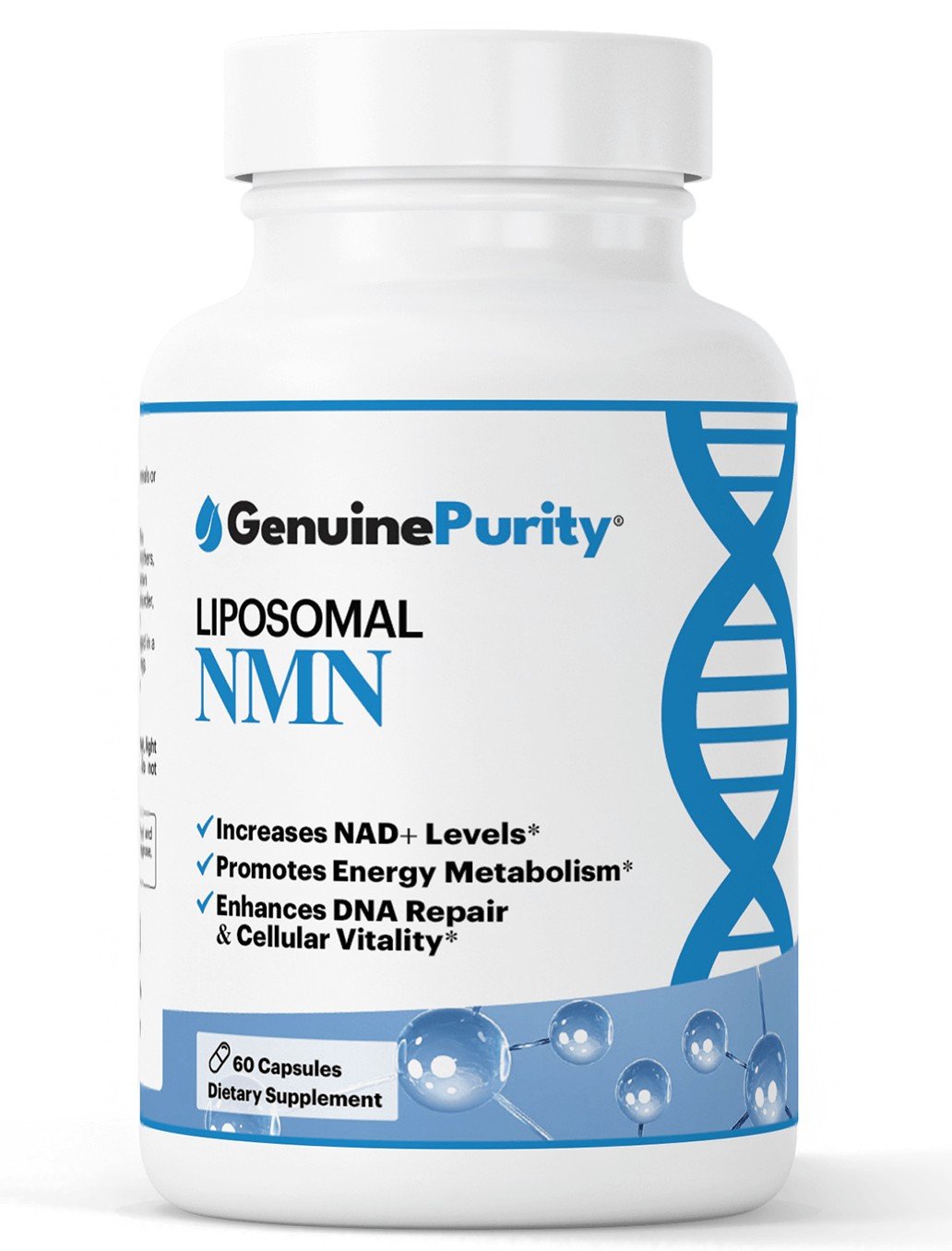
Το λιποσωμικό NMN προσφέρει έναν βολικό τρόπο υποστήριξης του υγιούς μεταβολισμού της ενέργειας και της διαχείρισης βάρους στο πλαίσιο ενός ενεργού τρόπου ζωής. Η λιποσωμική μορφή χορήγησής του έχει σχεδιαστεί για να βοηθά στην προστασία του NMN κατά την πέψη και να υποστηρίζει την απορρόφησή του.

Ο Δρ Τζέρι Κ είναι ο ιδρυτής και διευθύνων σύμβουλος του YourWebDoc.com, μέλος μιας ομάδας περισσότερων από 30 ειδικών. Ο Dr. Jerry K δεν είναι γιατρός αλλά είναι κάτοχος πτυχίου Διδάκτωρ Ψυχολογίας; ειδικεύεται σε οικογενειακό φάρμακο και προϊόντα σεξουαλικής υγείας. Τα τελευταία δέκα χρόνια ο Δρ. Jerry K έχει συγγράψει πολλά ιστολόγια υγείας και μια σειρά βιβλίων για τη διατροφή και τη σεξουαλική υγεία.