O NMN é um composto natural que desempenha um papel direto na produção de uma molécula essencial para o reparo celular e o metabolismo de gorduras. Os níveis de NAD+ diminuem com a idade, e essa diminuição está intimamente associada à redução da eficiência metabólica e à menor taxa de renovação energética nas células. O NMN atua como um precursor que ajuda a restaurar a disponibilidade de NAD+, o que contribui para a atividade mitocondrial e para a função celular em geral. No contexto da regulação do peso, a produção eficiente de energia dentro das células é um fator essencial que influencia a forma como o corpo utiliza e armazena calorias.
Introdução: Visão geral do NMN e sua relevância metabólica
O metabolismo energético depende da eficiência com que as células convertem nutrientes em energia utilizável através das mitocôndrias. Quando os níveis de NAD+ são suficientes, as mitocôndrias funcionam de forma mais eficaz, resultando em maior produção de energia e menor lentidão metabólica. Esse processo é importante para indivíduos que apresentam ganho de peso gradual associado à redução da taxa metabólica. A suplementação com NMN está sendo estudada por seu potencial em apoiar esse ciclo energético em nível celular, o que pode influenciar indiretamente o controle do peso corporal.
Conexão entre reparação celular e metabolismo de gordura
Os mecanismos de reparo celular e o metabolismo de gorduras estão intimamente ligados por meio de vias energéticas compartilhadas, reguladas por enzimas dependentes de NAD+. Quando as células mantêm sistemas de reparo eficientes, elas operam com maior estabilidade metabólica e menor estresse oxidativo. Essa estabilidade favorece uma melhor utilização de lipídios, o que significa que o corpo consegue processar a gordura armazenada de forma mais eficaz quando a demanda energética aumenta.
As principais áreas em que a NMN pode influenciar essa conexão incluem:
- Apoio à reparação mitocondrial após estresse metabólico
- Manter os níveis de NAD+ necessários para a atividade enzimática.
- Melhorar a resiliência celular durante flutuações na demanda de energia.
- Aprimoramento da flexibilidade metabólica geral
O metabolismo da gordura não depende apenas da dieta e da atividade física, mas também da eficiência com que as células gerenciam os processos de conversão e recuperação de energia. O NMN oferece suporte nesse nível fundamental, mantendo a disponibilidade de NAD+, que é essencial tanto para os sistemas de reparo quanto para os de regulação energética. Essa dupla função é o motivo pelo qual o NMN é frequentemente estudado em relação à saúde metabólica e à composição corporal.
Compreender o papel do NMN requer ver o metabolismo como um sistema coordenado de produção de energia e manutenção celular. Quando esses sistemas funcionam de forma eficiente, o corpo está mais bem equipado para manter o uso equilibrado de energia e evitar o acúmulo excessivo de gordura.
NMN e Produção de Energia Celular (Via NAD+)
Conversão de NMN e síntese de NAD+
O NMN serve como um precursor direto que as células convertem em NAD+, essencial para o metabolismo energético. Essa conversão ocorre por meio de vias enzimáticas dentro da célula, garantindo que os níveis de NAD+ possam ser repostos quando necessário. O NAD+ atua como uma coenzima em reações de oxirredução que impulsionam a produção de energia nas mitocôndrias, onde a maior parte do ATP celular é gerada.
Sem NAD+ suficiente, a produção de energia diminui e os processos metabólicos tornam-se menos eficientes. Essa diminuição afeta tecidos com alta demanda energética, incluindo células musculares e hepáticas, que desempenham papéis fundamentais no metabolismo de gorduras. A suplementação com NMN está sendo estudada por sua capacidade de restaurar esse equilíbrio bioquímico, aumentando a disponibilidade de NAD+.
Produção de energia mitocondrial
As mitocôndrias dependem do NAD+ para converter carboidratos e gorduras em energia celular utilizável. Quando os níveis de NAD+ estão otimizados, a eficiência mitocondrial melhora, resultando em maior produção de energia e redução da fadiga em nível celular. Esse processo afeta diretamente a forma como o corpo processa a gordura armazenada, uma vez que a oxidação da gordura depende da atividade mitocondrial.
Os principais efeitos da melhoria na disponibilidade de NAD+ incluem:
- Aumento da produção de ATP nas células
- Melhoria na utilização de oxigênio durante a geração de energia.
- Aumento da degradação de ácidos graxos
- Melhor resposta metabólica durante a atividade física
A eficiência na produção de energia desempenha um papel central no controle de peso. Quando as células produzem energia de forma eficaz, é menos provável que armazenem o excesso de calorias como gordura, o que contribui para um estado energético mais equilibrado ao longo do tempo.
Atividade metabólica e balanço energético
Níveis mais elevados de NAD+ contribuem para a atividade metabólica sustentada, mantendo as vias energéticas ativas e responsivas. Isso ajuda a manter uma taxa constante de utilização de calorias ao longo do dia, mesmo durante os períodos de repouso. Em populações idosas, essa função torna-se especialmente importante devido ao declínio natural do NAD+.
O NMN ajuda a manter o equilíbrio energético, apoiando os processos de produção e recuperação de energia dentro das células. Esse suporte duplo garante que os sistemas metabólicos permaneçam ativos e responsivos às demandas de energia.
NMN e mecanismos de reparo celular
Reparo do DNA e suporte enzimático
O NMN contribui para o reparo celular, mantendo os níveis de NAD+ necessários para enzimas de reparo do DNA, como as PARPs. Essas enzimas detectam e reparam danos ao DNA causados por estresse oxidativo e fatores ambientais. Quando os níveis de NAD+ são suficientes, esses sistemas de reparo funcionam com mais eficácia, preservando a integridade celular.
A reparação eficiente do DNA contribui para a saúde celular a longo prazo e para a estabilidade metabólica. Células que reparam danos de forma eficaz mantêm uma melhor produção de energia, o que indiretamente apoia os processos metabólicos envolvidos na utilização de gordura.
Manutenção mitocondrial sob estresse
As mitocôndrias são altamente sensíveis ao estresse oxidativo, o que pode reduzir sua capacidade de produção de energia ao longo do tempo. O NMN contribui para a manutenção mitocondrial ao sustentar os níveis de NAD+, que são necessários para o reparo e a regeneração mitocondrial. Isso ajuda a manter a produção de energia constante mesmo sob estresse metabólico.
Funções importantes do NMN na manutenção mitocondrial incluem:
- Apoio na reparação do DNA mitocondrial
- Reduzir o acúmulo de danos oxidativos
- Manutenção da atividade enzimática dentro das mitocôndrias
- Melhorar a eficiência da resposta ao estresse celular
Mitocôndrias saudáveis são essenciais para o metabolismo eficaz das gorduras, pois determinam a eficiência com que as gorduras são convertidas em energia.
Recuperação após danos oxidativos
As células sofrem danos oxidativos durante a atividade metabólica normal, especialmente quando a demanda de energia é alta. O NMN auxilia na recuperação ao repor o NAD+, que é necessário para os sistemas enzimáticos que restauram o equilíbrio celular. Esse processo ajuda a prevenir o declínio metabólico a longo prazo.
Uma capacidade de recuperação aprimorada permite que as células mantenham uma produção de energia e um desempenho metabólico consistentes. Com o tempo, isso contribui para uma melhor regulamentação do armazenamento e uso de energia.
NMN e regulação do metabolismo de gorduras
Oxidação de gordura mitocondrial
O NMN auxilia o metabolismo de gorduras, aumentando a capacidade mitocondrial de oxidar ácidos graxos para a produção de energia. Esse processo depende de reações mediadas por NAD+ que decompõem a gordura armazenada em combustível utilizável. Quando os níveis de NAD+ são mais altos, a oxidação da gordura se torna mais eficiente.
A melhoria na oxidação de gordura ajuda o corpo a transformar a energia armazenada em energia ativa. Isso é importante para manter uma composição corporal saudável ao longo do tempo.
Utilização de energia proveniente da gordura armazenada
O organismo utiliza a gordura armazenada como fonte de energia durante períodos de maior demanda ou menor ingestão de calorias. O NMN auxilia esse processo mantendo a função mitocondrial e a atividade enzimática necessárias para a degradação de lipídios. Isso leva a uma melhor disponibilidade de energia a partir das reservas de gordura.
Os principais efeitos metabólicos incluem:
- Aumento da quebra de ácidos graxos
- Melhoria na extração de energia do tecido adiposo
- Melhor flexibilidade metabólica entre as fontes de combustível.
- Maior resistência durante atividades físicas
A utilização eficiente de energia reduz a dependência do armazenamento excessivo de glicose, o que pode influenciar os padrões de acúmulo de gordura.
Enzimas do metabolismo lipídico
O NMN influencia enzimas envolvidas no metabolismo lipídico, promovendo reações dependentes de NAD+. Essas enzimas regulam como as gorduras são transportadas, decompostas e convertidas em energia. O funcionamento adequado dessas enzimas garante o processamento equilibrado de lipídios no organismo.
NMN, envelhecimento e composição corporal
declínio de NAD+ relacionado à idade
Os níveis de NAD+ diminuem naturalmente com a idade, o que afeta a produção de energia celular e a taxa metabólica. Essa redução contribui para a diminuição da eficiência mitocondrial e para um metabolismo de gordura mais lento. A suplementação com NMN está sendo estudada como uma forma de auxiliar na restauração dos níveis de NAD+.
Níveis mais baixos de NAD+ estão associados à redução do gasto energético e ao aumento da tendência ao armazenamento de gordura. Essa mudança pode influenciar a composição corporal ao longo do tempo.
Desaceleração metabólica e equilíbrio energético
Células envelhecidas frequentemente produzem menos energia devido à redução da eficiência mitocondrial. O NMN auxilia a função metabólica ao repor o NAD+, o que ajuda a manter as vias de produção de energia. Isso pode contribuir para uma taxa metabólica mais estável.
Manter o equilíbrio energético torna-se mais difícil com a idade, especialmente quando os sistemas de reparação celular ficam mais lentos. O NMN fornece suporte bioquímico que ajuda a manter esses sistemas.
Massa corporal magra e atividade metabólica
A massa corporal magra está intimamente ligada à taxa metabólica, pois o tecido muscular requer um suprimento constante de energia. O NMN pode promover a atividade metabólica, ajudando a preservar a eficiência da utilização de energia nas células musculares. Isso contribui para o equilíbrio energético geral.
Conclusão: Papel integrado do NMN no metabolismo
O NMN auxilia na produção de energia celular, nos sistemas de reparo e no metabolismo de gorduras por meio de seu papel na manutenção dos níveis de NAD+. Esses processos atuam em conjunto para regular a eficiência com que o corpo produz e utiliza energia.
Principais efeitos metabólicos
Os principais efeitos metabólicos do NMN estão ligados à função mitocondrial e à atividade enzimática. Esses efeitos influenciam a oxidação de gordura, o balanço energético e a capacidade de recuperação celular.
Os principais pontos a destacar incluem:
- O suporte de NAD+ melhora a produção de energia mitocondrial.
- Os sistemas de reparo celular mantêm a estabilidade metabólica.
- A eficiência do metabolismo de gorduras depende da atividade enzimática.
- O declínio na produção de energia relacionado ao envelhecimento pode ser apoiado
Perspectiva final
O NMN é estudado como um composto de suporte para a manutenção da eficiência metabólica e da saúde celular. Seu papel na produção de NAD+ a coloca no centro dos sistemas de regulação de energia que influenciam o metabolismo de gordura e a composição corporal.
Nossa melhor escolha NMN
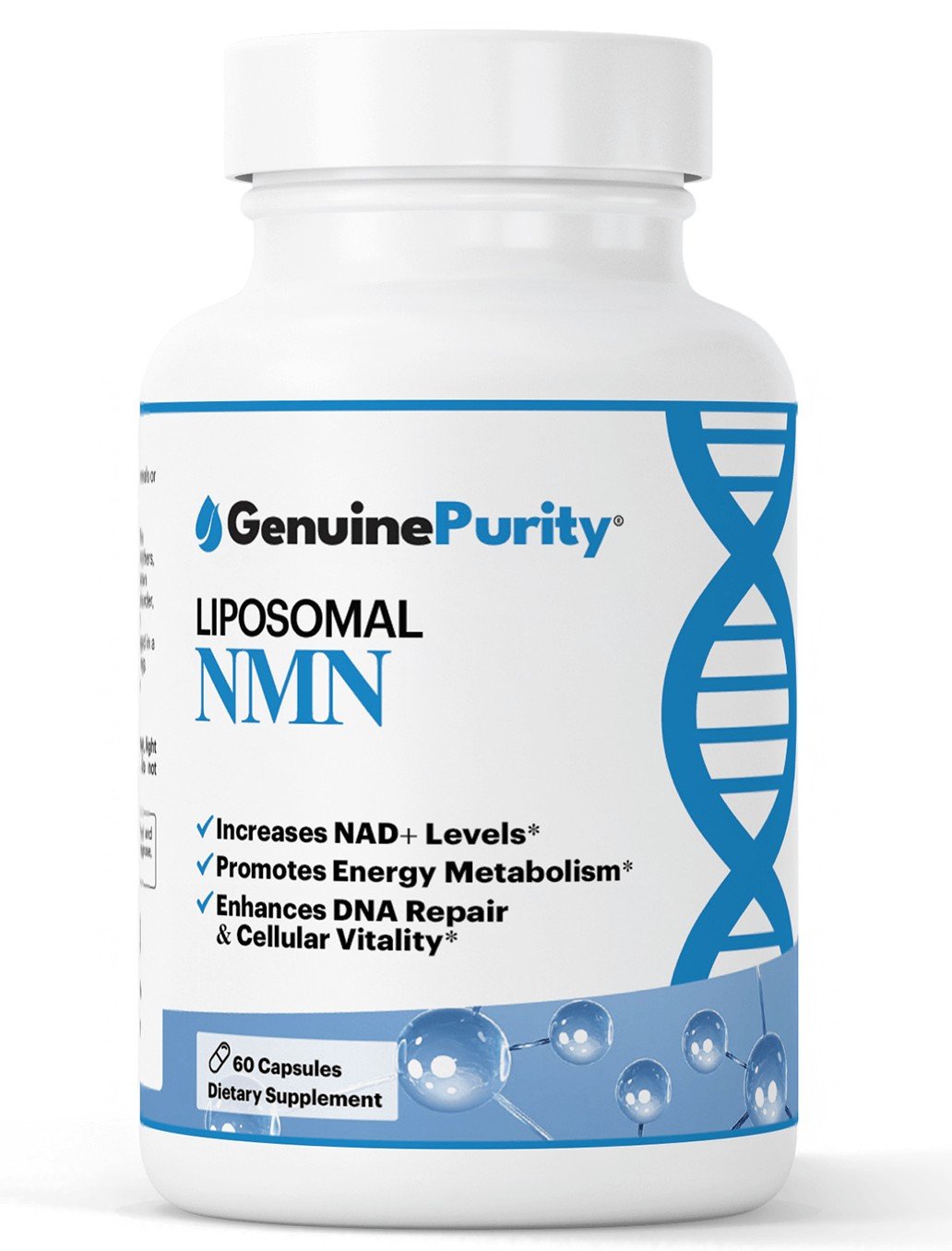
O NMN lipossomal oferece uma maneira prática de auxiliar no metabolismo energético saudável e no controle de peso, como parte de um estilo de vida ativo. Seu formato lipossomal foi desenvolvido para proteger o NMN durante a digestão e favorecer sua absorção.

Dr. é o fundador e CEO da YourWebDoc.com, parte de uma equipe de mais de 30 especialistas. Dr. Jerry K não é médico, mas possui um diploma de Doutor em Psicologia; ele é especialista em Medicina familiar e produtos para saúde sexual. Durante os últimos dez anos, o Dr. Jerry K foi autor de muitos blogs de saúde e de vários livros sobre nutrição e saúde sexual.
One thought to “The Role of NMN in Cellular Repair and Fat Metabolism”
Os comentários estão fechados.