
Leptyna to jeden z głównych hormonów organizmu, który przekazuje mózgowi informacje o zmagazynowanej energii i głodzie. Komórki tłuszczowe produkują leptynę i uwalniają ją do krwiobiegu w ilościach, które zazwyczaj odzwierciedlają zasoby energetyczne organizmu. Gdy leptyna dociera do podwzgórza, może sygnalizować dostępność wystarczającej ilości energii i pomóc w zmniejszeniu spożycia pokarmu. System ten współpracuje z innymi hormonami i sygnałami mózgowymi, które wpływają na uczucie głodu, sytości, preferencje żywieniowe i wydatek energetyczny.
Wprowadzenie do NMN i regulacji apetytu
NMN przyciągnął uwagę badań nad kontrolą masy ciała, ponieważ może zwiększyć poziom NAD+, cząsteczki biorącej udział w produkcji energii komórkowej i procesach metabolicznych. NMN, czyli mononukleotyd nikotynamidowy, służy jako prekursor syntezy NAD+. NAD+ wspomaga kilka enzymów, które pomagają komórkom zarządzać energią, reagować na stres metaboliczny i utrzymywać funkcje mitochondriów. W związku z tym naukowcy badali, czy poprawa dostępności NAD+ może wpływać na procesy związane z otyłością i zdrowiem metabolicznym.
Dlaczego leptyna ma znaczenie dla utraty wagi
Normalna sygnalizacja leptyny może pomóc organizmowi regulować spożycie pokarmu, ale otyłość może zaburzać funkcjonowanie tego układu. Osoby z większą ilością tkanki tłuszczowej często mają wyższe stężenie leptyny we krwi. Jednak podwyższony poziom leptyny nie oznacza, że mózg reaguje prawidłowo na ten hormon. Oporność na leptynę może rozwinąć się, gdy sygnalizacja zostanie zaburzona, co pozwala na dalsze odczuwanie głodu i przejadanie się pomimo dużych zapasów energii.
NMN nie jest uważany za lek bezpośrednio hamujący apetyt, a obecne dowody nie potwierdzają, że przyjmowanie suplementów NMN niezawodnie zmniejsza głód u ludzi. Badania koncentrowały się głównie na efektach metabolicznych, w tym regulacji poziomu glukozy, wrażliwości na insulinę, aktywności mitochondriów oraz zmianach metabolizmu komórkowego związanych z wiekiem. Ewentualny wpływ na apetyt lub poziom leptyny może zatem mieć charakter pośredni, a nie wynikać z bezpośredniego oddziaływania neuronów NMN na ośrodki głodu w mózgu.
Przy rozważaniu NMN i leptyny nadal pozostaje kilka ważnych pytań:
- Czy NMN może poprawić reakcję organizmu na leptynę?
- Czy lepsze funkcjonowanie metabolizmu może ograniczyć sygnały promujące nadmierne spożycie pokarmu?
- Czy NMN może wpływać na masę ciała niezależnie od spożycia kalorii?
- Czy wyniki zaobserwowane u zwierząt laboratoryjnych występują również u ludzi?
- Jakie dawkowanie i przez jaki czas należy stosować, aby uzyskać znaczące efekty?
Związek między NMN, leptyną i apetytem jest obiecujący, ale pozostaje kwestią badań naukowych, a nie uznaną metodą odchudzania.
Zrozumienie leptyny i jej roli w kontroli głodu
Jak leptyna kontroluje głód
Leptyna produkowana jest głównie przez tkankę tłuszczową i pomaga mózgowi oszacować, ile zmagazynowanej energii jest dostępne w organizmie. Po dostaniu się do krwiobiegu leptyna oddziałuje z receptorami w obszarach podwzgórza, które regulują apetyt i równowagę energetyczną. Gdy sygnalizacja leptyny działa prawidłowo, może ona redukować sygnały zachęcające do jedzenia i wspierać szlaki związane z uczuciem sytości. Dzięki temu spożycie pokarmu może częściowo reagować na zmiany w długoterminowych zapasach energii.
Leptyna nie działa sama, ponieważ głód jest wynikiem interakcji wielu hormonów, substancji odżywczych, sygnałów nerwowych i czynników środowiskowych. Na przykład grelina generalnie zwiększa głód, podczas gdy insulina i kilka hormonów żołądkowo-jelitowych przyczyniają się do uczucia sytości po posiłku. Sen, stres, aktywność fizyczna, dostępność pożywienia i nawyki żywieniowe również mogą wpływać na apetyt. Leptyna jest zatem częścią większego systemu regulacyjnego, a nie pojedynczym przełącznikiem, który decyduje o tym, czy ktoś odczuwa głód.
Oporność na leptynę i otyłość
Oporność na leptynę występuje, gdy mózg staje się mniej wrażliwy na sygnały leptyny, co może osłabić zdolność hormonu do ograniczania spożycia pokarmu. Osoba z otyłością może mieć znaczną produkcję leptyny ze względu na większą ilość tkanki tłuszczowej, jednak oczekiwany spadek apetytu może nie wystąpić. Naukowcy zaproponowali kilka mechanizmów zaburzeń sygnalizacji leptyny, w tym stan zapalny, zmiany w sygnalizacji komórkowej, zaburzenia transportu leptyny do mózgu oraz dysfunkcję metaboliczną.
Oporność na leptynę pomaga wyjaśnić, dlaczego samo zwiększenie poziomu leptyny raczej nie będzie prostym rozwiązaniem problemu utraty wagi. Celem nie jest koniecznie zwiększenie produkcji leptyny, ale utrzymanie efektywnej sygnalizacji między tkanką tłuszczową a mózgiem. Poprawa ogólnego zdrowia metabolicznego może być zatem bardziej istotna niż koncentrowanie się wyłącznie na ilości leptyny krążącej we krwi.
Czynniki, które mogą wpływać na apetyt i sygnalizację leptyny, obejmują:
- Ilość i rozmieszczenie tkanki tłuszczowej
- Długotrwałe spożycie energii i jakość diety
- Wrażliwość na insulinę i regulacja glukozy
- Czas trwania snu i jakość snu
- Aktywność fizyczna
- Zapalenie i stres metaboliczny
- Długoterminowe zmiany masy ciała
Czynniki te mają również znaczenie, gdy naukowcy badają, czy NMN może wpływać na apetyt, ponieważ jakakolwiek poprawa metabolizmu może wpłynąć na sygnalizację leptyny bez bezpośredniego zwiększania lub zmniejszania produkcji leptyny.
NMN, NAD+ i funkcja metaboliczna
W jaki sposób NMN wspiera produkcję NAD+
NMN to naturalnie występująca cząsteczka, która uczestniczy w procesie produkcji NAD+ przez komórki. NAD+ jest niezbędny do wielu reakcji komórkowych, w tym procesów związanych z metabolizmem energetycznym oraz aktywnością enzymów sirtuin i PARP. Poziom NAD+ może zmieniać się wraz z wiekiem, warunkami metabolicznymi, stresem komórkowym i innymi czynnikami biologicznymi, co skłoniło naukowców do zbadania sposobów utrzymania dostępności NAD+.
Potencjalna wartość NMN w kontroli masy ciała wynika głównie z jego potencjalnego wpływu na metabolizm komórkowy, a nie z udowodnionego bezpośredniego wpływu na apetyt. Odpowiednia dostępność NAD+ wspomaga procesy mitochondrialne, które przekształcają składniki odżywcze w użyteczną energię komórkową. Ponieważ tkanka tłuszczowa, mięśnie, wątroba i inne narządy metaboliczne są w dużym stopniu zależne od tych procesów, zmiany w metabolizmie NAD+ mogą potencjalnie wpływać na regulację energii w całym organizmie.
NMN i zdrowie metaboliczne
Badania na zwierzętach wykazały, że suplementacja NMN może wpływać na kilka szlaków związanych z metabolizmem glukozy, funkcjonowaniem mitochondriów i zdrowiem metabolicznym. Niektóre eksperymenty wykazały poprawę wrażliwości na insulinę lub parametrów metabolicznych w określonych warunkach eksperymentalnych. Odkrycia te wzbudziły zainteresowanie kwestią, czy prekursory NAD+ mogą mieć podobne działanie u ludzi.
Lepsze funkcjonowanie metabolizmu mogłoby teoretycznie wpływać na regulację głodu, ponieważ gospodarka glukozą, sygnalizacja insuliny, aktywność tkanki tłuszczowej i wykrywanie energii przez mózg są ze sobą powiązane. Jednak związek biologiczny nie dowodzi, że suplementacja NMN spowoduje zauważalne zmiany apetytu. Badania na ludziach pozostają kluczowe dla ustalenia, czy mechanizmy obserwowane w modelach laboratoryjnych prowadzą do istotnych zmian w spożyciu pokarmu lub masie ciała.
Badacze są szczególnie zainteresowani kilkoma możliwymi ścieżkami:
- Dostępność NAD+ i produkcja energii w mitochondriach
- Sygnalizacja metaboliczna związana z sirtuiną
- Wrażliwość na insulinę
- Wykorzystanie glukozy
- Metabolizm tkanki tłuszczowej
- Reakcje komórkowe na stres metaboliczny
- Wydatek energetyczny i wydolność fizyczna
Mechanizmy te dostarczają wiarygodnych powodów, aby badać NMN w kontekście kontroli masy ciała, jednak nie należy ich mylić z dowodami na to, że NMN bezpośrednio powoduje utratę tkanki tłuszczowej.
Czy NMN może wpływać na leptynę i głód?
Potencjalne skutki dla sygnalizacji leptyny
Najważniejszym pytaniem jest, czy NMN może poprawić reakcję organizmu na leptynę, czy po prostu zmienić ilość leptyny we krwi. Jeśli dysfunkcja metaboliczna przyczynia się do upośledzenia sygnalizacji leptyny, poprawa metabolizmu komórkowego mogłaby teoretycznie pomóc w przywróceniu niektórych aspektów prawidłowej sygnalizacji. Ta możliwość wzbudziła zainteresowanie naukowców, ponieważ otyłość wiąże się ze zmianami w tkance tłuszczowej, stanem zapalnym, działaniem insuliny i regulacją energii.
Badania na zwierzętach dostarczają pewnych dowodów na poparcie tezy, że metabolizm NAD+ może wpływać na ścieżki związane z bilansem energetycznym, jednak odkrycia te nie dowodzą bezpośredniego wpływu NMN-leptyny na ludzi. Badania laboratoryjne pozwalają zidentyfikować mechanizmy i pokazać, jak dany związek wpływa na określone tkanki. Jednak metabolizm zwierząt, dawki suplementów, diety eksperymentalne i okresy leczenia mogą znacznie różnić się od rzeczywistego stosowania u ludzi.
Głód a zdrowie metaboliczne
Poprawa zdrowia metabolicznego nie oznacza automatycznie, że dana osoba będzie odczuwać mniejszy głód. Na apetyt wpływa wiele układów, a ludzie mogą utrzymać lub zwiększyć spożycie pokarmu, nawet gdy niektóre markery metaboliczne się poprawiają. Z kolei zmiany w diecie, śnie, aktywności fizycznej lub masie ciała mogą wpływać na poziom głodu niezależnie od suplementacji NMN.
NMN może potencjalnie wpływać pośrednio na apetyt, jeśli poprawi stan metaboliczny związany z zaburzoną regulacją energii. Na przykład lepsza wrażliwość na insulinę lub funkcja mitochondriów mogą zmienić sposób, w jaki tkanki wykorzystują składniki odżywcze i reagują na dostępność energii. Naukowcy mogą ostatecznie ustalić, czy te zmiany wpływają na wrażliwość na leptynę lub inne sygnały związane z apetytem.
Warto rozdzielić trzy różne roszczenia:
- NMN może zwiększyć dostępność NAD+ w odpowiednich warunkach.
- Metabolizm NAD+ bierze udział w regulacji komórkowej i metabolicznej.
- Suplementacja NMN hamuje uczucie głodu i powoduje utratę wagi.
Pierwsze dwa twierdzenia mają silniejsze podstawy naukowe niż trzecie, które nadal wymaga bardziej bezpośrednich dowodów ludzkich.
Co oznaczają obecne dowody
Obniżenie stężenia leptyny nie powinno być automatycznie interpretowane jako skuteczna kontrola apetytu. Poziom leptyny jest silnie skorelowany z masą tkanki tłuszczowej, więc sama utrata tkanki tłuszczowej może obniżyć poziom leptyny we krwi. Dlatego badacze muszą brać pod uwagę skład ciała, spożycie kalorii, wydatek energetyczny, wrażliwość na insulinę i reakcję na leptynę przy ocenie interwencji.
Na razie NMN należy traktować jako potencjalny suplement wspomagający metabolizm, a nie jako sprawdzony naturalny środek hamujący apetyt. Osoby zainteresowane wykorzystaniem NMN do kontroli masy ciała powinny również rozważyć sprawdzone strategie, których skuteczność potwierdzono mocniejszymi dowodami, w tym odpowiednią kontrolę kalorii, ćwiczenia wytrzymałościowe i aerobowe, odpowiednie spożycie białka i wystarczającą ilość snu.
Suplementy NMN wspomagające kontrolę masy ciała: potencjalne korzyści i ograniczenia
Potencjalne korzyści
NMN może mieć potencjalne zastosowanie w kontroli masy ciała, ponieważ metabolizm NAD+ wpływa na wiele procesów związanych z wykorzystaniem energii i funkcjami metabolicznymi. Badania analizowały jego potencjalny związek z aktywnością mitochondriów, metabolizmem glukozy, wrażliwością na insulinę i innymi procesami komórkowymi. Efekty te mogą być istotne dla osób starających się utrzymać zdrową kompozycję ciała, szczególnie w połączeniu z przyjętymi zasadami stylu życia.
NMN nie należy traktować jako substytutu deficytu kalorycznego niezbędnego do znaczącej utraty tkanki tłuszczowej. Poziom tkanki tłuszczowej zazwyczaj zmniejsza się, gdy organizm zużywa więcej energii niż otrzymuje w danym momencie. Suplement może wpływać na szlaki metaboliczne, ale nie jest w stanie skutecznie zniwelować długotrwałego, nadmiernego spożycia kalorii. To rozróżnienie jest istotne przy ocenie twierdzeń, że NMN może samodzielnie powodować znaczną utratę masy ciała.
Łączenie NMN ze zdrowymi nawykami
Najbardziej rozsądnym podejściem jest traktowanie NMN jako możliwego dodatku do szerszego programu kontroli masy ciała, a nie jako strategii centralnej. Dieta dostarczająca odpowiednią ilość białka, błonnika, witamin i minerałów może wspierać uczucie sytości i prawidłowy stan odżywienia. Regularna aktywność fizyczna może zwiększyć wydatek energetyczny, pomagając jednocześnie zachować masę mięśniową podczas odchudzania.
Ważnymi elementami planu zarządzania wagą są:
- Zrównoważone spożycie kalorii
- Odpowiednia ilość białka i błonnika pokarmowego
- Regularny trening oporowy
- Aktywność fizyczna aerobowa
- Stały sen
- Zarządzanie wysoko przetworzoną, kaloryczną żywnością
- Długoterminowy monitoring masy ciała i obwodu talii
Tego typu środki mają znacznie silniejsze podstawy do kontroli masy ciała niż twierdzenia, że sam NMN może tłumić głód.
Ograniczenia i pytania dotyczące bezpieczeństwa
Badania nad NMN u ludzi wciąż się rozwijają, dlatego wciąż pojawiają się pytania dotyczące długoterminowej suplementacji, optymalnych dawek, indywidualnych reakcji i klinicznie istotnych wyników. Badania mogą wykorzystywać różne formulacje, dawki, okresy leczenia i grupy uczestników, co utrudnia bezpośrednie porównywanie wyników. Poprawa markera laboratoryjnego niekoniecznie przekłada się na widoczne zmiany masy ciała.
Ludzie nie powinni zakładać, że suplement jest wolny od ryzyka tylko dlatego, że NMN jest związany z naturalnie występującą ścieżką metaboliczną. Każdy, kto przyjmuje leki na receptę lub leczy chorobę przewlekłą, powinien omówić stosowanie suplementów z wykwalifikowanym pracownikiem służby zdrowia. Jakość produktów również może się różnić, dlatego ważne jest źródło, skład i standardy produkcji.
Wnioski: Co wiemy o NMN i leptynie
Leptyna odgrywa ważną rolę w długoterminowej regulacji apetytu, przekazując mózgowi informacje o zapasach energii. Gdy sygnalizacja leptynowa działa skutecznie, może pomóc w zmniejszeniu spożycia pokarmu, gdy zgromadzona jest wystarczająca ilość energii. Otyłość może zaburzyć ten proces poprzez oporność na leptynę i inne zmiany metaboliczne, które mogą przyczyniać się do ciągłego uczucia głodu pomimo wysokiej dostępności energii.
NMN może wpływać na procesy metaboliczne poprzez swoją rolę prekursora NAD+, co może stwarzać powiązanie z układami wpływającymi na równowagę energetyczną i apetyt. NAD+ wspomaga metabolizm energetyczny komórek, aktywność mitochondriów i kilka enzymów zaangażowanych w regulację metabolizmu. Funkcje te stanowią naukowy powód do zbadania, czy NMN może wpływać na szlaki związane z wrażliwością na leptynę i apetytem.
Co pozostaje niepewne
Obecne dowody nie potwierdzają, że NMN jest sprawdzonym, naturalnym środkiem hamującym apetyt lub samodzielnym suplementem wspomagającym odchudzanie. Niektóre wyniki badań na zwierzętach są zachęcające, ale dowody z badań na ludziach nie są jeszcze wystarczająco przekonujące, aby potwierdzić, że suplementacja NMN rzeczywiście zmniejsza uczucie głodu, poprawia wrażliwość na leptynę lub powoduje znaczną redukcję tkanki tłuszczowej.
Przyszłe badania kliniczne powinny łącznie mierzyć apetyt, sygnalizację leptyny, spożycie kalorii, skład ciała, markery metaboliczne i długoterminowe zmiany masy ciała. Takie badania mogłyby pomóc ustalić, czy NMN wywiera istotne efekty wykraczające poza zmiany w metabolizmie NAD+ lub pomiary laboratoryjne. Naukowcy muszą również ustalić odpowiednie dawki i ocenić długoterminowe bezpieczeństwo.
Realistyczny pogląd na NMN
Osoby zainteresowane NMN i kontrolą masy ciała mogą spodziewać się raczej potencjalnego wsparcia metabolizmu, a nie bezpośredniego blokowania apetytu. Jeśli NMN ostatecznie okaże się zdolny do poprawy funkcji metabolicznych lub reakcji na leptynę, może stać się jednym z elementów szerszego podejścia do utrzymania prawidłowej masy ciała. Do tego czasu ugruntowane strategie pozostają podstawą skutecznej kontroli masy ciała.
Zdrowa dieta, regularne ćwiczenia, odpowiednia ilość snu i zrównoważona kontrola kalorii to wciąż skuteczne metody redukcji nadmiaru tkanki tłuszczowej i radzenia sobie z uczuciem głodu. Warto badać NMN jako uzupełnienie, jednak obecne dowody nie uzasadniają zastępowania tych pomiarów wyłącznie NMN.
Nasz najlepszy wybór NMN
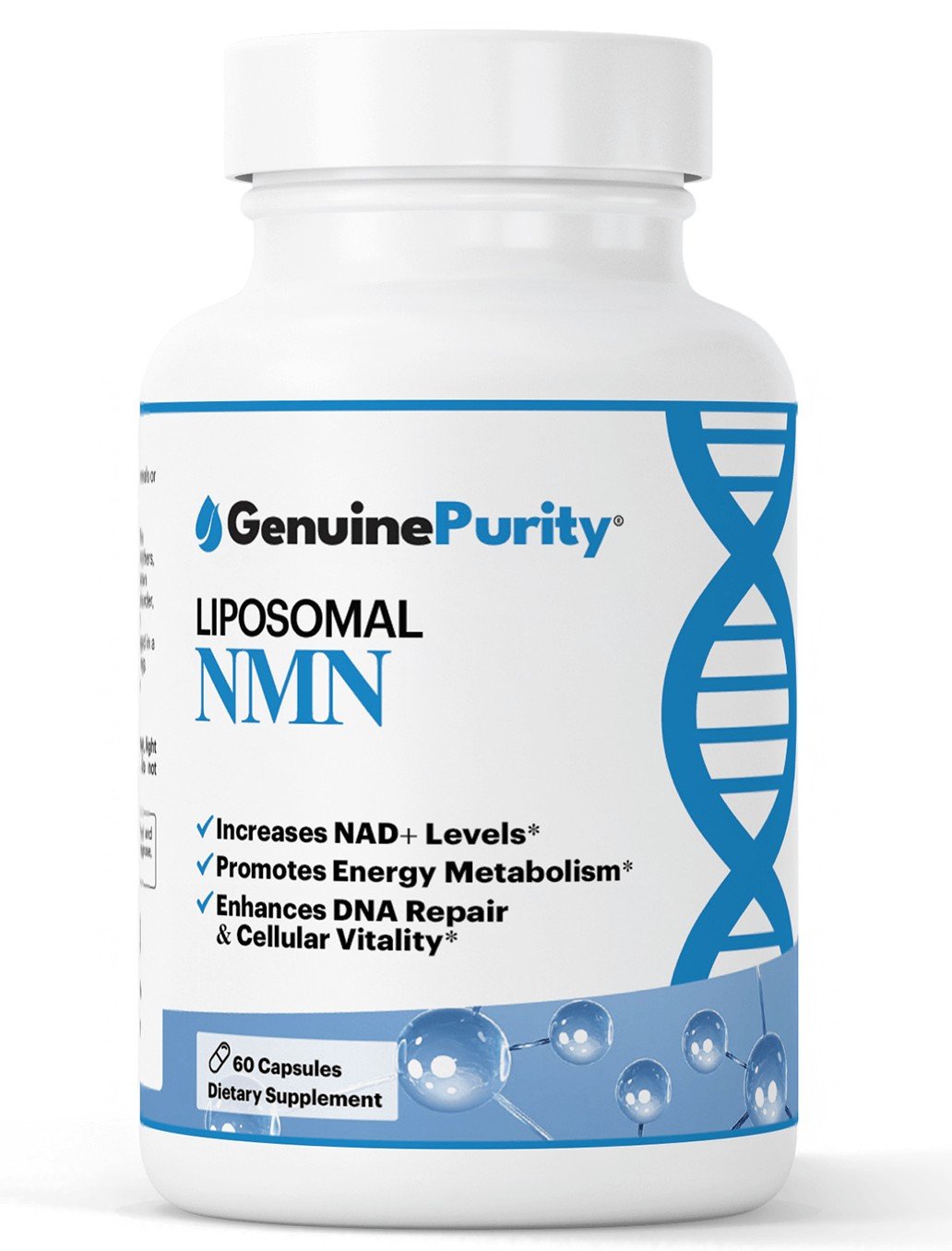
Liposomalny NMN oferuje wygodny sposób na wsparcie zdrowego metabolizmu energetycznego i kontroli masy ciała w ramach aktywnego stylu życia. Jego liposomalna forma dostarczania została opracowana, aby chronić NMN podczas trawienia i wspomagać jego wchłanianie.

Doktor Jerry K jest założycielem i dyrektorem generalnym YourWebDoc.com, częścią zespołu ponad 30 ekspertów. Doktor Jerry K nie jest lekarzem, ale posiada stopień naukowy Doktor psychologii; w czym się specjalizuje Medycyna rodzinna I produkty zdrowia seksualnego. W ciągu ostatnich dziesięciu lat dr Jerry K był autorem wielu blogów na temat zdrowia i wielu książek na temat odżywiania i zdrowia seksualnego.