
Emotional eating is a common behavior that can make weight management difficult, especially when stress, anxiety, boredom, or negative emotions trigger frequent food cravings. Unlike physical hunger, which develops when the body needs energy, emotional hunger often appears suddenly and creates a desire for specific foods. People experiencing emotional eating may reach for chocolate, sweets, salty snacks, or high-calorie meals even when they are not physically hungry. These eating patterns can increase daily calorie intake and make long-term weight loss more difficult.
Introduction
Understanding the Connection Between NMN and Emotional Eating
Emotional eating does not always result from a lack of self-control. Several biological and psychological processes influence appetite, food preferences, and eating behavior. Hormonal changes, stress responses, sleep disturbances, and fluctuations in blood glucose can all affect hunger and cravings. The brain also uses food as a source of comfort and reward. Eating foods rich in sugar and fat can temporarily improve mood by activating reward-related signaling pathways, which may reinforce repeated emotional eating.
What Is NMN and Why Is It Relevant to Weight Management?
NMN (nicotinamide mononucleotide) is a naturally occurring molecule that serves as a precursor to NAD+ (nicotinamide adenine dinucleotide). NAD+ is an essential coenzyme involved in cellular energy production, mitochondrial function, DNA repair, and metabolic regulation. Its availability can decline with age and may be affected by several metabolic and lifestyle factors.
Researchers have become interested in NMN supplementation because increasing NAD+ availability may support certain metabolic processes associated with healthy aging. Studies have investigated its potential effects on insulin sensitivity, glucose metabolism, physical performance, and other aspects of metabolic health.
Emotional eating involves biological and psychological factors that can interfere with weight management. NMN is being studied for its potential metabolic benefits, along with its ability to reduce emotional food cravings.
Understanding Emotional Eating and Its Effect on Weight Loss
Emotional Hunger vs. Physical Hunger
Emotional eating occurs when people use food to respond to feelings rather than to satisfy their body’s energy requirements. Physical hunger usually develops gradually and can be satisfied by different types of food. Emotional hunger often appears suddenly and creates a strong desire for particular foods, especially products containing sugar, salt, and fat.
Recognizing the difference between these two types of hunger can help people understand their eating patterns.
Common Triggers of Emotional Eating
Emotional cravings can develop in response to several psychological, hormonal, and environmental factors. Identifying these triggers is an important step toward reducing unnecessary calorie consumption.
Common triggers include:
- Stress and anxiety: Stress can activate the hypothalamic-pituitary-adrenal (HPA) axis and increase cortisol production. In some people, prolonged stress is associated with stronger cravings for energy-dense foods.
- Sadness and frustration: Some people use food to improve their mood or temporarily distract themselves from negative emotions.
- Boredom: Eating can become an automatic activity when people lack stimulation or have no structured daily routine.
- Sleep deprivation: Insufficient sleep can affect appetite-regulating hormones and increase the desire for high-calorie foods.
- Environmental cues: Food advertisements, attractive packaging, social events, and the availability of snacks can encourage eating without physical hunger.
These factors do not affect everyone in the same way. Some people eat more when they feel stressed, while others experience reduced appetite.
How Emotional Eating Influences Body Weight
Frequent emotional eating can make weight loss difficult because it may increase calorie consumption beyond the body’s actual energy requirements. Many foods associated with emotional cravings contain substantial amounts of added sugar and fat. These foods can provide considerable energy without producing long-lasting fullness.
Repeated emotional eating can also create behavioral patterns that become difficult to change. For example, a person may automatically reach for snacks whenever they feel anxious or tired. Over time, the brain can associate certain emotional states with eating, making cravings more frequent.
Several consequences may follow:
- Increased daily calorie intake.
- More frequent consumption of highly processed foods.
- Difficulty recognizing natural hunger and fullness signals.
- Feelings of guilt after overeating.
- Reduced consistency with weight management goals.
Emotional eating can also create a cycle in which overeating produces guilt or frustration, which then triggers further emotional eating. Breaking this cycle requires addressing both eating behavior and the emotions associated with it.
The Role of Brain Chemistry in Food Cravings
The brain uses several neurotransmitters and hormonal signals to regulate appetite, motivation, and food-related reward. Dopamine participates in reward learning and motivation, while serotonin contributes to mood regulation and other functions. These systems can influence food preferences and eating behavior.
Cortisol may also affect appetite, particularly during prolonged stress. However, emotional eating does not result from one hormone or neurotransmitter acting alone. Genetic factors, personal experiences, sleep, environment, and eating habits all contribute.
Emotional eating can increase calorie intake and interfere with weight loss. Recognizing emotional triggers and understanding the difference between physical and emotional hunger can help people develop healthier eating patterns.
The Role of NAD+ in Appetite Regulation and Metabolic Health
What Is NAD+ and Why Does the Body Need It?
NAD+ is an essential coenzyme that helps cells convert nutrients into usable energy and maintain normal metabolic activity. It participates in numerous biochemical reactions and supports the function of mitochondria, which produce most of the energy used by human cells.
NAD+ exists in two main forms: oxidized NAD+ and reduced NADH. These forms work together in cellular redox reactions. During energy metabolism, NAD+ accepts electrons and becomes NADH. NADH can then transfer electrons to the mitochondrial electron transport chain, helping generate ATP.
ATP provides energy for many biological activities, including:
- Muscle contraction and physical movement.
- Cellular repair and maintenance.
- Normal nervous system activity.
- Protein production and other cellular processes.
- Metabolic reactions that support energy balance.
NAD+ also serves as a substrate for enzymes involved in DNA repair, cellular stress responses, and gene regulation.
How NAD+ Supports Metabolic Health
NAD+ availability influences several metabolic pathways that help the body process carbohydrates, fats, and proteins. Healthy NAD+ metabolism is important for mitochondrial function and the biochemical reactions involved in energy production.
Another group of enzymes that uses NAD+ includes poly(ADP-ribose) polymerases (PARPs). These enzymes participate in DNA damage responses and consume NAD+ during their activity.
NAD+ availability may therefore influence:
- Mitochondrial energy production.
- Cellular responses to metabolic stress.
- Glucose and lipid metabolism.
- Insulin signaling pathways.
- DNA repair and cellular maintenance.
However, these biological roles do not mean that increasing NAD+ automatically produces weight loss or reduces appetite.
NAD+, Aging, and Energy Balance
NAD+ metabolism changes with age, and researchers are investigating whether these changes contribute to declining metabolic function. Some studies suggest that NAD+ availability decreases in certain tissues during aging. This process may involve changes in NAD+ synthesis, consumption, and recycling.
Reduced NAD+ availability could affect mitochondrial activity and other cellular processes. Researchers are particularly interested in whether restoring NAD+ levels can improve metabolic function in older adults.
How NMN Contributes to NAD+ Production
NMN serves as an intermediate in the NAD+ salvage pathway, which allows cells to produce NAD+ from vitamin B3-related compounds. The body can use NMN to synthesize NAD+ through the action of the enzyme nicotinamide mononucleotide adenylyltransferase (NMNAT).
NMN supplementation has attracted scientific interest because it may increase NAD+ levels in certain tissues. Researchers have investigated this approach as a possible way to support cellular energy metabolism and healthy aging.
NAD+ supports mitochondrial energy production, cellular maintenance, and metabolic regulation. NMN provides a precursor for NAD+ synthesis, but its effects on appetite and weight management require further clinical research.
Can NMN Supplements Help Reduce Emotional Eating and Food Cravings?
NMN and Its Potential Influence on Appetite Regulation
NMN may influence some metabolic processes associated with appetite regulation, but there is currently insufficient clinical evidence to show that NMN supplementation directly reduces emotional eating or food cravings. Researchers are investigating how NAD+ availability affects metabolic signaling, insulin sensitivity, mitochondrial function, and cellular stress responses. These processes may indirectly influence factors associated with appetite and energy balance.
Appetite regulation involves communication between the digestive system, hormones, and the brain. Several hormones participate in this process, including:
- Ghrelin: Often called the hunger hormone, ghrelin helps signal the need for food.
- Leptin: Produced mainly by fat cells, leptin communicates information about energy stores to the brain.
- Insulin: Helps regulate blood glucose and also participates in appetite-related signaling.
- GLP-1: A gut hormone that contributes to glucose regulation and promotes feelings of fullness.
NMN has not been shown to reliably regulate these hormones in humans in a way that reduces emotional eating. However, its potential effects on NAD+ metabolism have encouraged further investigation into its relationship with metabolic health.
Potential Benefits for Blood Glucose Regulation
Stable blood glucose levels can help support normal energy levels and reduce some forms of hunger associated with fluctuations in blood sugar. When blood glucose changes rapidly, some people may experience tiredness, hunger, or a desire to eat. However, food cravings are not always caused by blood glucose fluctuations.
NAD+ participates in several pathways involved in glucose metabolism. Sirtuins and other NAD+-dependent enzymes help regulate cellular responses to nutrients and metabolic stress.
Some human research has examined NMN supplementation in relation to insulin sensitivity and glucose metabolism. For example, a randomized clinical trial involving postmenopausal women with prediabetes reported improvements in skeletal muscle insulin sensitivity following NMN supplementation. However, this result does not establish that NMN reduces food cravings or causes weight loss.
Potential improvements in metabolic function could be relevant to people concerned about weight management, but additional studies must establish whether these effects translate into meaningful changes in appetite.
NMN, Cellular Energy, and Physical Activity
Healthy mitochondrial function supports the energy production required for daily movement and physical activity. Since NAD+ participates in mitochondrial energy metabolism, researchers are investigating whether NMN supplementation can improve certain aspects of physical performance.
Physical activity plays an important role in weight management because it increases energy expenditure and supports muscle health. Exercise can also improve mood, reduce stress, and help some people manage emotional eating triggers.
Some human studies have investigated NMN supplementation and physical performance, including muscle function and walking endurance. Results remain mixed, and the available evidence does not establish NMN as an exercise-performance enhancer for everyone.
If NMN supplementation eventually proves useful for supporting certain aspects of physical function, it may have indirect relevance to weight management. However, supplements cannot replace regular exercise or adequate nutrition.
NMN may support certain metabolic processes through its influence on NAD+ availability. However, there is not enough human evidence to conclude that it directly reduces emotional eating, suppresses appetite, or prevents food cravings.
Practical Ways to Combine NMN Supplementation with Healthy Eating Habits
Identify Emotional Eating Triggers
Recognizing emotional eating patterns is one of the most effective starting points for developing better appetite control. People often eat in response to familiar situations without realizing that their cravings are connected to specific emotions or environmental conditions.
Keeping a food and mood journal can help identify these patterns. Record the following information whenever a strong craving appears:
- Time of day when the craving occurs.
- Food or snack you want to eat.
- Whether you feel physically hungry.
- Emotions experienced before the craving.
- Recent activities, stress levels, and sleep quality.
- Whether eating actually improves your mood.
After several days, recurring patterns may become easier to recognize. For example, you may notice that most cravings occur after stressful meetings, during late evenings, or when you have not slept enough.
Once you identify these triggers, you can prepare alternative activities, such as walking, listening to music, calling a friend, or practicing relaxation exercises.
Choose Foods That Support Satiety
Balanced meals can help reduce unnecessary snacking by providing nutrients that support fullness and stable energy levels. Protein, fiber, and healthy fats are particularly useful components of a weight management diet.
Consider including the following foods:
- Protein sources: Eggs, fish, chicken, Greek yogurt, beans, and lentils.
- Fiber-rich foods: Vegetables, fruits, whole grains, oats, and legumes.
- Healthy fats: Avocados, olive oil, nuts, seeds, and fatty fish.
- Complex carbohydrates: Brown rice, quinoa, sweet potatoes, and whole-grain bread.
Protein can increase satiety and help preserve muscle mass during weight loss. Fiber slows digestion and contributes to fullness. Healthy fats also support satiety and provide essential fatty acids.
Avoid skipping meals to compensate for previous overeating. Excessive food restriction can increase hunger and make emotional cravings harder to manage.
Improve Sleep and Manage Daily Stress
Insufficient sleep and prolonged stress can increase the risk of unhealthy eating patterns. Sleep restriction can influence appetite-regulating hormones, food reward responses, and the desire for energy-dense foods.
Adults generally need at least seven hours of sleep each night. Maintaining a consistent bedtime, limiting caffeine late in the day, and reducing screen exposure before sleep can help improve sleep quality.
Stress management is equally important. Useful strategies include:
- Practicing deep breathing for several minutes.
- Taking short walks during stressful periods.
- Maintaining regular exercise habits.
- Practicing meditation or mindfulness.
- Scheduling time for relaxing activities.
These habits do not eliminate emotional eating immediately, but they can help reduce some of the conditions that trigger cravings.
Consider NMN as Part of a Broader Health Routine
NMN supplementation should be considered an optional area of metabolic health research rather than a replacement for established weight management practices. People interested in NMN should discuss supplementation with a healthcare professional, particularly if they have existing medical conditions or take prescription medications.
There is currently no universally established NMN dosage for appetite control or weight loss. Human studies have used different doses and treatment periods, and long-term safety data remain limited.
When evaluating NMN products, consider:
- Product purity and ingredient transparency.
- Independent laboratory testing.
- Clear dosage information.
- Manufacturer quality standards.
- Evidence supporting the product’s specific claims.
Identifying emotional triggers, eating balanced meals, improving sleep, managing stress, and practicing mindful eating can support better appetite control. NMN may be considered an optional supplement, but it should not replace proven lifestyle strategies.
Conclusion
Understanding the Relationship Between NMN and Emotional Eating
Emotional eating is influenced by psychological, hormonal, and metabolic factors that can make appetite control and weight loss more difficult. Stress, anxiety, boredom, insufficient sleep, and negative emotions can encourage people to consume food even when their bodies do not need additional energy. These eating patterns may lead to excessive calorie intake, frequent consumption of high-calorie snacks, and difficulty maintaining a healthy body weight.
Managing emotional eating requires understanding why cravings occur and developing healthier ways to respond to them. Restrictive diets and calorie counting alone may not address the underlying causes of repeated overeating. A more effective approach combines balanced nutrition, regular physical activity, stress management, and healthy sleep habits.
How NMN May Support Metabolic Health
NMN has attracted scientific interest because it serves as a precursor to NAD+, an essential coenzyme involved in cellular energy production and metabolic regulation. NAD+ supports mitochondrial function and participates in biochemical processes associated with glucose metabolism, insulin sensitivity, cellular repair, and healthy aging.
These functions may be relevant to weight management because metabolic health influences how the body processes nutrients and produces energy. Researchers are investigating whether NMN supplementation can support these processes and improve certain metabolic markers.
Building Healthy Habits for Better Appetite Control
The most reliable approach to reducing emotional eating combines behavioral changes with healthy lifestyle habits. People who experience frequent cravings can benefit from identifying emotional triggers, improving meal quality, and developing alternative ways to manage stress.
Important strategies include:
- Eating balanced meals with sufficient protein, fiber, and healthy fats.
- Maintaining regular meal times and avoiding excessive food restriction.
- Getting at least seven hours of sleep each night.
- Practicing mindfulness and recognizing emotional hunger.
- Participating in regular physical activity.
- Using stress management techniques to reduce emotional triggers.
- Seeking professional support when emotional eating becomes frequent or difficult to control.
NMN supplementation may become an additional area of interest as researchers learn more about NAD+ metabolism and its relationship with metabolic health. However, people should evaluate NMN products carefully and consult healthcare professionals before starting supplementation.
Final Thoughts on NMN and Food Cravings
NMN may offer potential metabolic benefits, but it should not be considered a standalone solution for emotional eating or weight loss. Its possible role in appetite regulation remains under investigation, and current evidence does not support using it as a direct treatment for food cravings.
Long-term weight management depends on maintaining healthy eating patterns, supporting metabolic health, and developing a balanced relationship with food. Addressing emotional triggers is just as important as managing calorie intake.
NMN may support NAD+ metabolism and certain aspects of metabolic health. Combining healthy nutrition, stress management, regular exercise, and mindful eating provides a more reliable foundation for controlling cravings and achieving sustainable weight loss.
Out Top NMN Choice
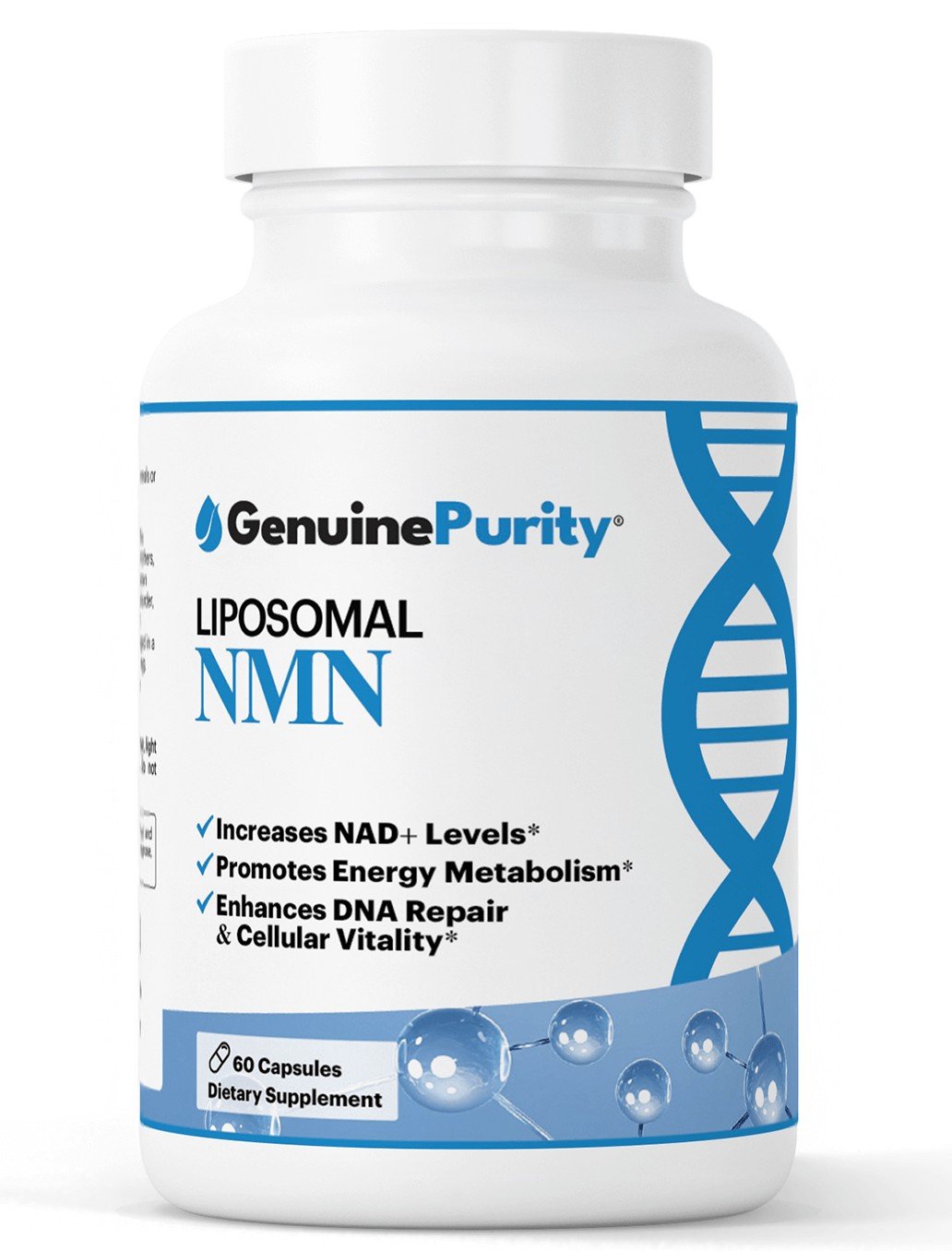
Liposomal NMN offers a convenient way to support healthy energy metabolism and weight management as part of an active lifestyle. Its liposomal delivery format is designed to help protect NMN during digestion and support its absorption.

Dr. Jerry K is the founder and CEO of YourWebDoc.com, part of a team of more than 30 experts. Dr. Jerry K is not a medical doctor but holds a degree of Doctor of Psychology; he specializes in family medicine and sexual health products. During the last ten years Dr. Jerry K has authored a lot of health blogs and a number of books on nutrition and sexual health.