
Nicotinamide mononucleotide (NMN) is a naturally occurring compound that serves as a direct precursor to nicotinamide adenine dinucleotide (NAD+), an essential molecule for cellular energy production. Every cell depends on NAD+ to convert nutrients into usable energy and to support hundreds of biological reactions. As people grow older, NAD+ levels gradually decline, reducing the efficiency of many metabolic processes. This decline has attracted significant scientific interest because it may contribute to lower energy expenditure, slower metabolism, and increased fat accumulation. Researchers have investigated NMN supplementation as one possible way to restore declining NAD+ levels and improve metabolic function.
Introduction: Understanding NMN, SIRT1, and Fat-Burning Genes
Weight management involves much more than counting calories. Hormones, mitochondrial performance, genetic regulation, and energy balance all influence how efficiently the body stores or burns fat. NMN has gained attention because it supports the production of NAD+, which in turn activates several enzymes involved in metabolic regulation. Among these enzymes, SIRT1 has become one of the most widely studied due to its influence on energy metabolism and healthy aging.
Why SIRT1 Is Important
SIRT1 is an enzyme that helps regulate the activity of genes involved in metabolism, fat utilization, inflammation, and cellular repair. Unlike hormones that circulate throughout the body, SIRT1 works inside cells by modifying proteins that control gene expression. Its activity depends heavily on the availability of NAD+, making the relationship between NMN and SIRT1 especially important.
Scientists often describe SIRT1 as a metabolic sensor because it responds to changes in the body’s energy status. During periods of calorie restriction or increased physical activity, SIRT1 activity naturally increases. This response helps cells adapt by improving energy efficiency and encouraging the use of stored fat as fuel. Because NMN may increase NAD+ availability, researchers are exploring whether supplementation can support similar metabolic pathways.
Several biological processes influenced by SIRT1 include:
- Regulation of fat oxidation
- Mitochondrial function and energy production
- Glucose metabolism
- Insulin sensitivity
- Cellular stress responses
- Healthy inflammatory balance
These processes work together to maintain metabolic health rather than targeting body fat through a single mechanism.
What Is SIRT1 and Why Does It Matter for Weight Loss?
Understanding the Role of SIRT1
SIRT1 belongs to a family of proteins known as sirtuins, which help regulate numerous biological processes related to metabolism, aging, and cellular maintenance. It functions as an enzyme that removes acetyl groups from specific proteins, allowing it to influence how certain genes are expressed. Rather than changing the genetic code itself, SIRT1 affects which genes become more or less active under different metabolic conditions.
One of the defining characteristics of SIRT1 is its dependence on NAD+. Without sufficient NAD+, SIRT1 cannot perform its regulatory functions efficiently. This close relationship explains why researchers frequently study NMN and SIRT1 together. Increasing NAD+ availability through NMN supplementation may improve the activity of SIRT1, although the degree of this effect can vary depending on age, health status, and other metabolic factors.
SIRT1 contributes to the body’s ability to respond to changing energy demands. During fasting, exercise, or reduced calorie intake, SIRT1 helps cells adjust by promoting more efficient energy production and encouraging the use of stored fat.
SIRT1 and Fat Metabolism
SIRT1 influences several metabolic pathways that determine whether the body stores energy as fat or uses it to produce fuel. One important action involves activating proteins that promote mitochondrial activity. Healthy mitochondria generate energy more efficiently and increase the body’s capacity to oxidize fatty acids during periods of increased energy demand.
SIRT1 also interacts with proteins that regulate the formation of new fat cells and the breakdown of existing fat stores. Instead of acting as a direct fat-burning switch, it helps coordinate multiple biological pathways that collectively support healthy metabolism.
Research has associated healthy SIRT1 activity with several metabolic functions, including:
- Greater mitochondrial efficiency
- Improved fatty acid oxidation
- Better regulation of blood glucose
- Increased insulin sensitivity
- Healthier energy balance
- Support for normal cellular repair
These effects may contribute to healthier body composition when combined with appropriate nutrition and regular physical activity.
Aging, Lifestyle, and SIRT1 Activity
SIRT1 activity tends to decline with age as NAD+ levels gradually decrease throughout the body. Lower enzyme activity may reduce metabolic flexibility, making it more difficult for cells to respond efficiently to changing energy requirements. This gradual decline has been linked to reduced mitochondrial performance and less effective regulation of glucose and lipid metabolism.
Lifestyle habits strongly influence SIRT1 activity throughout life. Regular physical exercise naturally stimulates many of the same metabolic pathways associated with SIRT1 activation. Balanced nutrition, adequate sleep, stress management, and maintaining a healthy body weight also help preserve metabolic function. Conversely, chronic overeating, physical inactivity, and persistent metabolic stress may reduce the effectiveness of these protective cellular systems.
Researchers continue to investigate whether restoring NAD+ levels through NMN supplementation can partially offset some age-related reductions in SIRT1 activity. While early findings from laboratory and animal studies appear encouraging, larger human clinical trials are still necessary to determine the long-term effects on weight management and metabolic health.
How NMN Activates SIRT1 to Support Fat Burning
NMN Increases NAD+ Availability
NMN supports SIRT1 activity by increasing the production of NAD+, a molecule that is essential for many metabolic reactions inside cells. After supplementation, NMN is absorbed and converted into NAD+ through a series of enzymatic processes. Since SIRT1 requires NAD+ to function, maintaining adequate levels of this coenzyme is critical for activating pathways involved in energy metabolism. Although the body naturally produces NMN, this production becomes less efficient with age, which may contribute to declining NAD+ concentrations.
Higher NAD+ availability allows SIRT1 to interact with proteins that regulate cellular metabolism. Instead of directly breaking down fat, NMN helps create conditions that enable SIRT1 to influence the expression of genes involved in energy production and fat utilization. This indirect mechanism distinguishes NMN from weight loss products that primarily reduce appetite or stimulate the nervous system.
SIRT1 Regulates Fat-Burning Pathways
Once activated, SIRT1 helps coordinate several biological pathways that encourage cells to use stored fat as a source of energy. One of its most important targets is a group of proteins responsible for regulating mitochondrial function. Healthy mitochondria generate energy efficiently and increase the body’s ability to oxidize fatty acids during physical activity and normal daily metabolism.
SIRT1 also influences proteins involved in lipid metabolism, glucose regulation, and cellular adaptation to changing energy demands. Rather than activating a single fat-burning gene, SIRT1 affects numerous genes that work together to maintain energy balance.
Key metabolic processes supported by SIRT1 include:
- Increased fatty acid oxidation
- Improved mitochondrial performance
- Enhanced cellular energy production
- Better metabolic flexibility
- Support for balanced glucose metabolism
- Healthier regulation of lipid storage
These coordinated actions help the body respond more effectively when energy requirements increase, such as during exercise or periods of reduced calorie intake.
Supporting Long-Term Metabolic Efficiency
The activation of SIRT1 may improve the body’s ability to maintain efficient energy metabolism over time rather than producing immediate weight loss. Healthy metabolism depends on thousands of cellular reactions working together, and SIRT1 influences many of these processes simultaneously. By improving mitochondrial performance, cells may produce more energy while relying more effectively on stored fat reserves.
SIRT1 also helps regulate proteins involved in cellular maintenance and stress resistance. Healthy cells generally function more efficiently, allowing tissues such as muscle and liver to better manage glucose and fatty acid metabolism. These improvements may contribute to healthier body composition when combined with regular physical activity and balanced nutrition.
Metabolic Benefits of SIRT1 Activation Beyond Fat Loss
Improving Glucose and Insulin Regulation
SIRT1 influences metabolic health through mechanisms that extend well beyond the breakdown of body fat. One of its most important roles involves maintaining healthy glucose metabolism. SIRT1 helps regulate proteins that control insulin sensitivity, allowing cells to respond more effectively to insulin and absorb glucose from the bloodstream. Healthy insulin function reduces unnecessary fat storage and supports more stable energy production throughout the day.
Improved glucose regulation may also reduce fluctuations in blood sugar that contribute to hunger and fatigue. Although NMN is not a treatment for diabetes or other metabolic disorders, researchers continue to study whether increasing NAD+ levels can support healthy glucose metabolism in aging adults and individuals with impaired metabolic function.
Supporting Mitochondrial Health and Inflammation Balance
Healthy mitochondrial function allows cells to produce energy more efficiently while supporting many processes involved in long-term metabolic wellness. SIRT1 activates proteins that stimulate mitochondrial maintenance and the formation of new mitochondria. As a result, cells may become more efficient at converting nutrients into usable energy instead of storing excess calories as fat.
Another important function of SIRT1 involves regulating inflammatory responses. Chronic low-grade inflammation has been associated with obesity, insulin resistance, and reduced metabolic flexibility. SIRT1 helps maintain a balanced inflammatory response by influencing several signaling pathways involved in immune regulation. This does not eliminate inflammation completely, since inflammation is necessary for healing, but it may support healthier regulation under normal physiological conditions.
Potential metabolic benefits associated with healthy SIRT1 activity include:
- Improved insulin sensitivity
- Better mitochondrial performance
- More efficient energy production
- Healthier inflammatory regulation
- Enhanced cellular stress resistance
- Support for healthy aging
These effects collectively contribute to maintaining metabolic function instead of targeting only body weight.
Combining NMN With Healthy Lifestyle Habits
The greatest potential benefits of SIRT1 activation are likely to occur when NMN supplementation is combined with healthy daily habits. Regular exercise naturally increases energy demand and stimulates many pathways associated with SIRT1 activity. Resistance training and aerobic exercise both improve mitochondrial function while encouraging greater utilization of stored fat.
Balanced nutrition supplies the vitamins, minerals, protein, and healthy fats required for efficient metabolism. Adequate sleep supports hormonal balance, while stress management helps prevent chronic elevations in stress hormones that may interfere with healthy metabolic regulation. These lifestyle factors complement the cellular effects associated with SIRT1 activation.
Scientific Evidence on NMN, SIRT1, and Body Weight
Findings From Laboratory and Animal Studies
Most of the current understanding of NMN and SIRT1 in weight regulation comes from controlled laboratory and animal research. In these studies, NMN supplementation has been shown to increase NAD+ levels in tissues such as liver, muscle, and adipose tissue. Higher NAD+ availability often leads to increased SIRT1 activity, which then influences metabolic pathways related to energy production and fat utilization. These controlled environments allow researchers to isolate biological mechanisms more clearly than in human populations.
Animal studies, especially in mice, have shown that NMN may improve mitochondrial function, increase energy expenditure, and support better glucose metabolism. Some experiments also suggest reduced age-related weight gain and improved physical endurance when NAD+ levels are restored. However, these outcomes depend heavily on dosage, duration, and the metabolic state of the test subjects.
Key observations from preclinical studies include:
- Increased NAD+ levels in metabolic tissues
- Higher SIRT1 enzyme activity
- Improved mitochondrial efficiency
- Enhanced fat oxidation capacity
- Better insulin response in some models
- Reduced markers of metabolic decline with aging
While these findings are promising, results in animals do not always translate directly to humans due to differences in metabolism and physiology.
Human Clinical Research and Current Limitations
Human studies on NMN are still relatively limited and often focus on safety, energy metabolism, and insulin sensitivity rather than direct weight loss outcomes. Early clinical trials suggest that NMN supplementation can safely increase NAD+ levels in humans. Some studies also report improvements in muscle performance, insulin sensitivity, and markers of metabolic health in specific populations, particularly older adults.
However, direct evidence linking NMN supplementation to significant fat loss in humans remains weak. Most studies do not show rapid or substantial reductions in body weight. Instead, they suggest subtle improvements in metabolic efficiency, which may support weight management indirectly over time.
Current limitations in human research include:
- Small sample sizes
- Short study durations
- Variability in dosage protocols
- Differences in participant age and health status
- Limited focus on long-term weight outcomes
Because of these limitations, researchers emphasize caution when interpreting early results. NMN appears to influence metabolic pathways associated with fat regulation, but its real-world effect on body weight is still under investigation.
Conclusion: Can NMN and SIRT1 Help Activate Fat-Burning Genes?
NMN supports cellular energy metabolism by increasing NAD+ levels, which are required for proper SIRT1 activity. SIRT1 then influences multiple genes involved in mitochondrial function, fat oxidation, and glucose regulation. This chain of interactions forms a biological pathway that connects NMN supplementation with metabolic regulation at the cellular level. Instead of acting as a direct fat burner, NMN works by supporting systems that control how the body uses and stores energy.
The relationship between NMN and SIRT1 highlights the importance of cellular health in weight management. Efficient mitochondria, balanced glucose metabolism, and proper gene regulation all contribute to how the body handles energy intake. These processes work together rather than independently, creating a network of metabolic control.
Practical Role in Weight Management
NMN should be viewed as a supportive compound rather than a primary method for weight loss. While laboratory and early clinical studies suggest improvements in metabolic markers, consistent fat loss still depends on lifestyle factors such as diet, physical activity, and sleep quality. NMN may help enhance metabolic efficiency, but it does not replace energy balance principles.
Key lifestyle factors that support SIRT1 activity include:
- Regular physical exercise
- Balanced calorie intake
- Adequate sleep duration
- Stable blood sugar levels
- Reduced chronic stress
- Nutrient-dense diet
These habits naturally support many of the same biological pathways influenced by NMN and SIRT1 activation.
Final Perspective on NMN and Fat-Burning Genes
The interaction between NMN, NAD+, and SIRT1 provides a scientific explanation for how cellular metabolism can influence fat utilization and energy balance. While the concept of “activating fat-burning genes” is often simplified in marketing, the actual biological process involves multiple coordinated pathways that regulate how cells produce and use energy.
Current evidence supports the idea that NMN may improve metabolic function through NAD+ restoration and SIRT1 activation, but more human research is needed to confirm its impact on body weight. For now, NMN is best understood as a potential metabolic support supplement rather than a standalone solution for fat loss.
Out Top NMN Choice
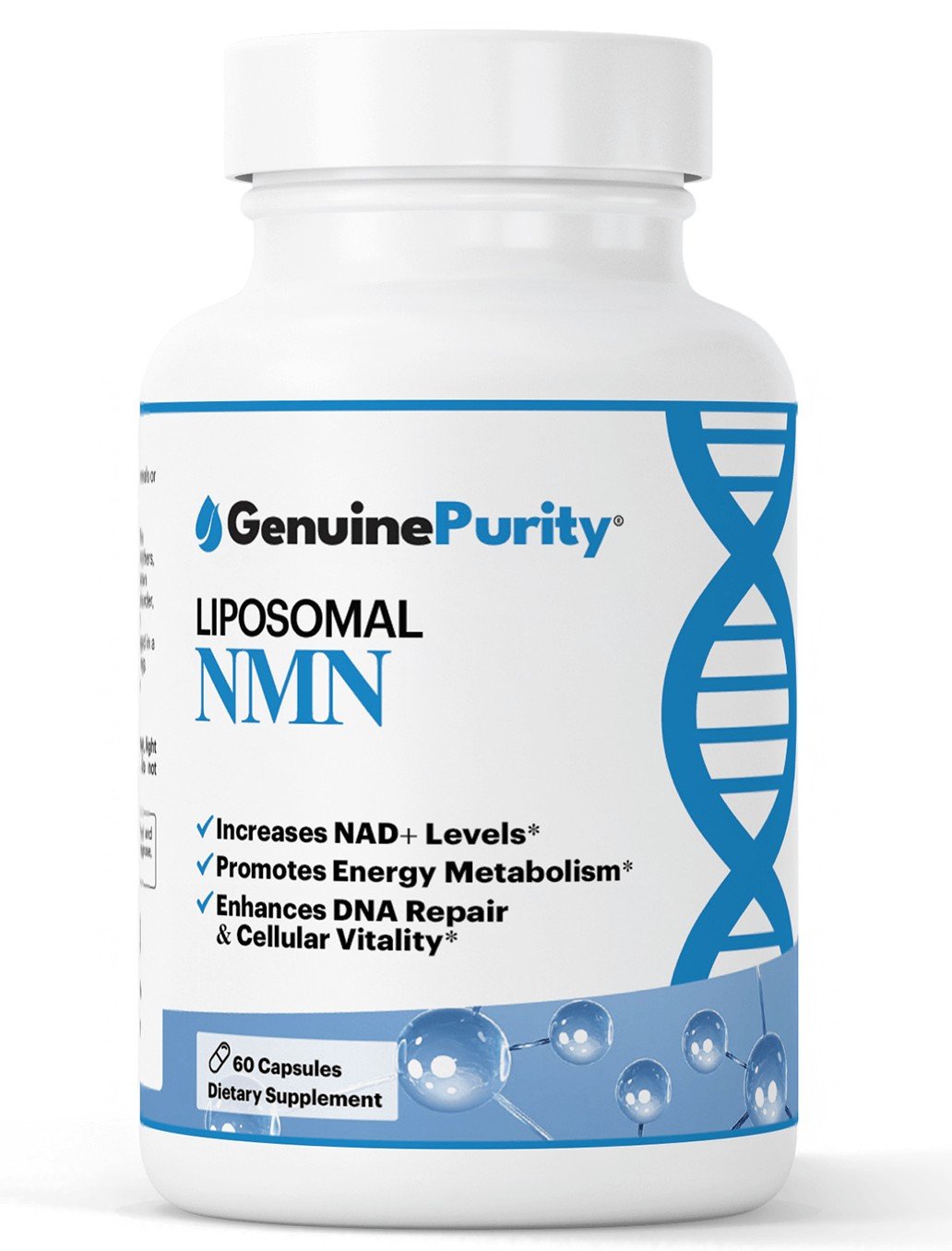
Liposomal NMN offers a convenient way to support healthy energy metabolism and weight management as part of an active lifestyle. Its liposomal delivery format is designed to help protect NMN during digestion and support its absorption.

Dr. Jerry K is the founder and CEO of YourWebDoc.com, part of a team of more than 30 experts. Dr. Jerry K is not a medical doctor but holds a degree of Doctor of Psychology; he specializes in family medicine and sexual health products. During the last ten years Dr. Jerry K has authored a lot of health blogs and a number of books on nutrition and sexual health.